

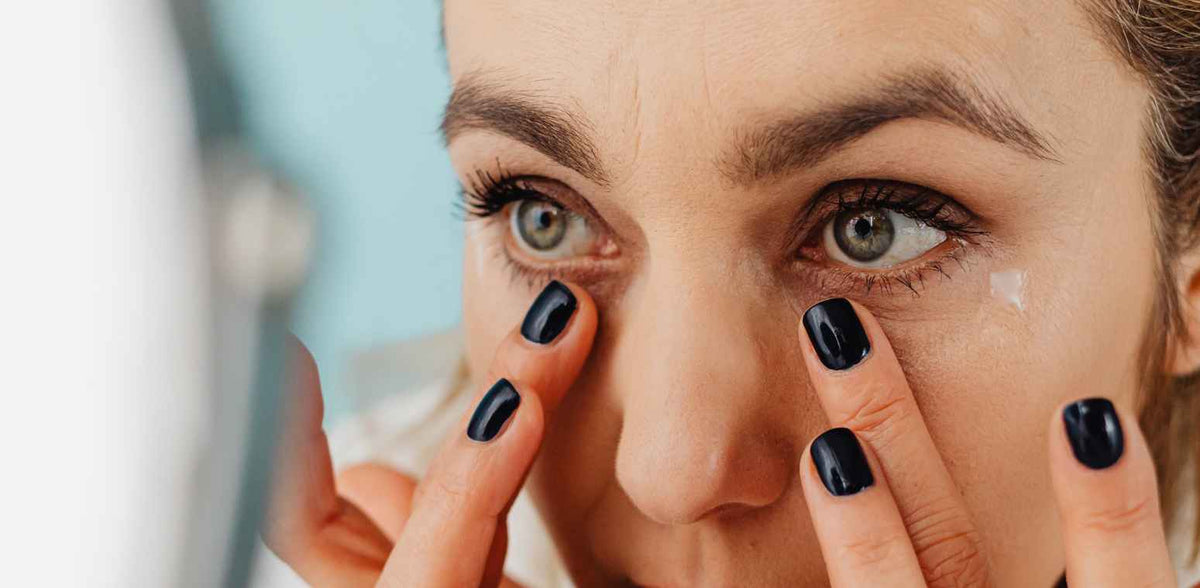
Dark circles under the eyes are a common concern for many people. These shadows can make you look tired, older, or unwell, affecting your overall appearance. While they are a natural part of aging and can happen to anyone, the good news is that there are ways to reduce their appearance quickly and effectively. In this guide, we’ll explain the causes of dark circles, how you can prevent them, and some simple treatments to help you look refreshed.
Introduction
Dark circles are areas under the eyes that appear darker than the rest of the skin. The colour of these circles can range from purple to black to brown, depending on your skin tone. Some individuals may experience dark circles occasionally, while others have them more persistently. Many people assume that dark circles are simply caused by a lack of sleep. However, several other factors contribute to their development, including lifestyle, allergies, and even genetics. Understanding these causes can help you manage and reduce dark circles effectively.
Causes of Dark Circles
Age
As you age, the skin under your eyes naturally becomes thinner. This makes the blood vessels in that area more noticeable, leading to a darker appearance. The skin around the eyes is the thinnest on the body, and as collagen production decreases with age, it becomes even more delicate and prone to showing blood vessels and shadows.
Fatigue
One of the most common causes of dark circles is fatigue. When you don't get enough sleep, the skin under your eyes can become paler, and the blood vessels beneath the skin become more visible. Lack of rest can also lead to fluid retention, which can make puffiness worse, creating a more pronounced shadow under the eyes.
Allergies
Seasonal allergies are another culprit behind dark circles. When you suffer from allergies, your body releases histamines that cause inflammation and congestion. This congestion can affect circulation around your eyes, causing blood vessels to dilate and making the dark circles more prominent. Additionally, the rubbing of your eyes due to irritation can worsen the situation.
Medications
Certain medications can lead to dark circles as a side effect. For instance, some drugs may cause blood vessel dilation or skin thinning, which can make dark circles more visible. If you suspect that your medication is contributing to the appearance of dark circles, it’s advisable to speak with your healthcare provider.
Dehydration
When your body is dehydrated, your skin can appear dull and sunken, and the area around your eyes is particularly vulnerable. Dehydration causes the skin to lose its natural plumpness, making dark circles appear more pronounced. Drinking enough water each day can help keep the skin around your eyes looking healthy and smooth.
Genetics
Dark circles can also run in families. If your parents or grandparents had dark circles, you may be more likely to develop them as well. In some cases, the skin under the eyes may simply be more prone to pigmentation or a thinner structure, making dark circles more visible.
Anemia
Anemia, or iron deficiency, can cause your skin to appear pale, which makes dark circles more noticeable. When your blood doesn’t have enough red blood cells to carry oxygen, your body compensates by making you look more drained. If you suspect that you have anemia, a simple blood test can confirm the condition, and your doctor can advise you on treatment.
Lifestyle Factors
Your daily habits play a significant role in the appearance of dark circles. Drinking excessive alcohol, smoking, and high levels of stress can all contribute to the formation of dark circles. Alcohol dehydrates the body, while smoking decreases blood flow and weakens the skin's elasticity. High stress levels can lead to poor sleep, further aggravating the problem.
Prevention Tips
While some factors like genetics and aging can’t be controlled, there are several lifestyle changes and habits you can adopt to prevent or reduce dark circles under your eyes.
Sleep
The NHS recommends that healthy adults aim for 7-9 hours of sleep each night. Adequate rest not only reduces the visibility of dark circles but also helps your body repair itself. If you're not getting enough sleep, your skin becomes paler, and blood vessels under the eyes become more visible. Try to prioritise rest and establish a regular sleep routine for the best results.
Diet
Eating a balanced diet rich in iron, vitamins C, and B12 can help improve your skin’s appearance. Foods like leafy greens, citrus fruits, and berries are all excellent choices. Staying hydrated by drinking plenty of water is also crucial in reducing puffiness and dark circles.
Sun Protection
Protecting the delicate skin around your eyes from the sun is essential. Apply sunscreen with an SPF of at least 30 every day, even on cloudy days or when you’re indoors. Use a sunscreen specifically formulated for sensitive skin and make sure to reapply every two hours or more frequently if you’re sweating or swimming.
Stress Management
Chronic stress can worsen dark circles by disrupting your sleep and causing fluid retention. Try relaxation techniques such as yoga, meditation, or deep breathing exercises to manage stress. Using a cold compress under your eyes can also help reduce swelling and blood vessel dilation, making dark circles less noticeable.
Lifestyle Adjustments
Limiting alcohol consumption and quitting smoking can greatly improve the appearance of your under-eye area. Smoking constricts blood flow, which can worsen the appearance of dark circles. Alcohol, on the other hand, is dehydrating and can make your eyes appear puffier and more tired.
Reduce Eye Strain
If you spend a lot of time in front of a computer screen, your eyes can become strained and fatigued, causing blood vessels under the eyes to enlarge. Make sure to take regular breaks from your screen, following the 20-20-20 rule: every 20 minutes, look at something 20 feet away for 20 seconds.
Treating Underlying Health Conditions
Conditions such as eczema, asthma, and melasma can contribute to dark circles. If you have one of these conditions, managing it with the help of your doctor can help alleviate the severity of dark circles.
Treatment Options
If you’re already dealing with dark circles, there are several ways to treat them and reduce their appearance effectively.
Daytime Routine
-
Hydrate and Colour Correct: Start by hydrating your skin with a moisturiser. Next, use a product that provides instant results, firming the skin and smoothing fine lines, wrinkles, and dark circles. Look for ingredients such as retinol, hyaluronic acid, and vitamins A, C, and E to brighten and tighten the skin around your eyes.
-
Apply Concealer: After using your hydrating and wrinkle-reducing products, apply concealer to brighten the under-eye area. Use a small amount and blend it gently with your finger or a makeup sponge. Remember, less is more when it comes to concealer under the eyes.
Nighttime Routine
-
Use a Retinol Eye Cream: Retinol is a powerful ingredient that helps to reduce the appearance of fine lines, wrinkles, and dark circles. Incorporating a retinol-based eye cream into your evening skincare routine can help minimize puffiness and dark circles over time. Always apply sunscreen during the day as the skin can become sensitive to retinol.
FAQs on Dark Circles Under the Eyes
Can dark circles go away?
Yes, dark circles can be reduced or even faded with proper lifestyle changes, skincare, and makeup techniques. However, they may not completely disappear, especially if they are hereditary. If you’re not seeing results, you may want to consult with a dermatologist for more advanced treatments.
Who is most prone to dark circles?
Anyone can experience dark circles, but people with thinner skin, higher melanin levels, or a family history of dark circles are more likely to develop them. Additionally, older adults and those with certain medical conditions may also be more prone.
What home remedies can help with dark circles?
A simple home remedy involves placing a cold spoon under your eyes. The cold helps to reduce blood vessel dilation and alleviate puffiness. You can also use a cold compress to achieve similar results.


